 United States
Nicotine Pouches Are Booming — Should Vapers Make the Switch?
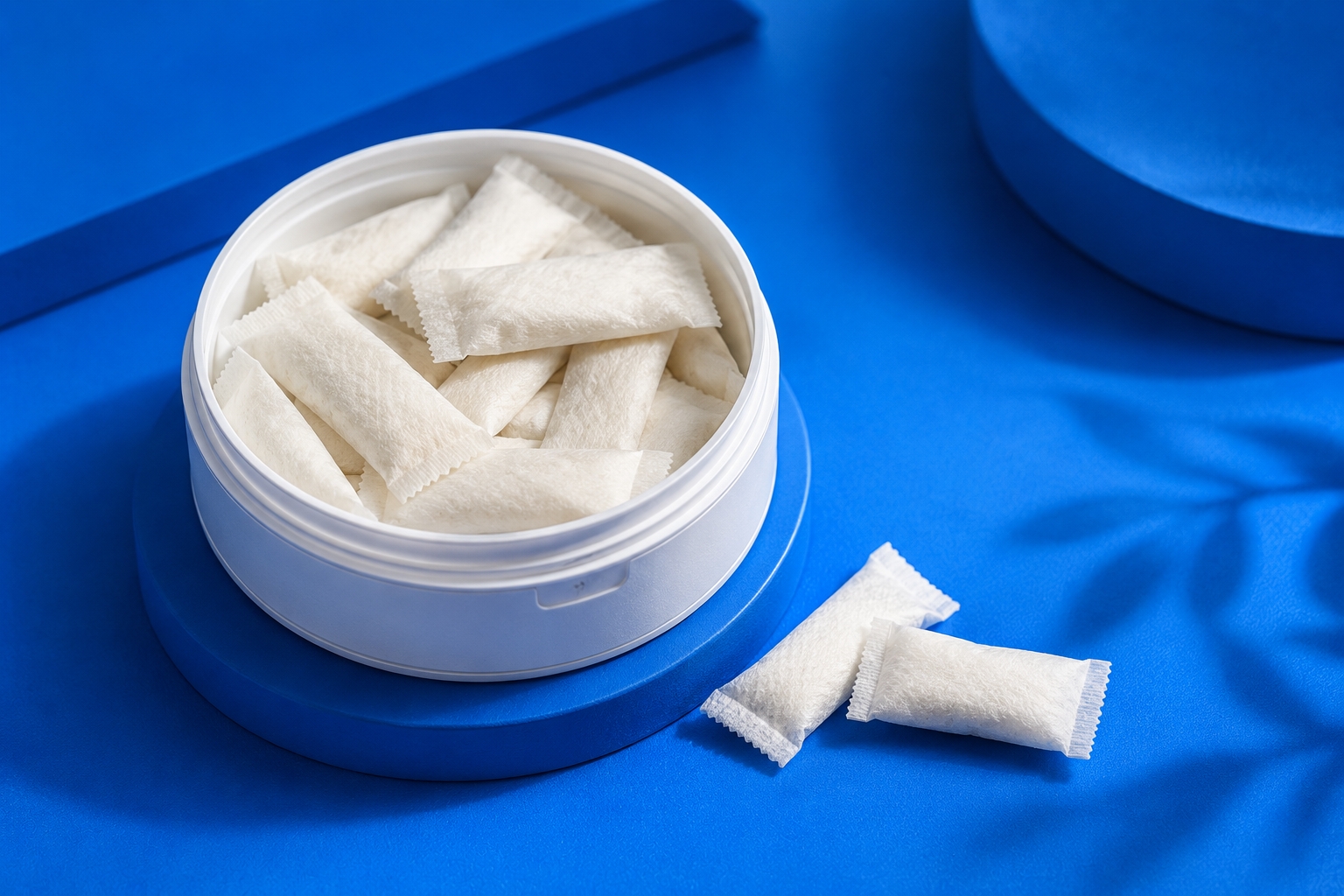
If it feels like nicotine pouches are suddenly everywhere, that's because they are. What used to be a niche product tied to Scandinavian snus culture has turned into one of the fastest-growing categories in the nicotine space — and a lot of longtime vapers are asking whether it's time to switch.
Here's what's actually driving the trend, and what to weigh before you make the jump.
Why Pouches Are Having a Moment
The growth numbers alone tell the story. The global nicotine pouch market is on track to roughly triple in size over the next several years, moving from single-digit billions into the tens of billions by the early 2030s. That's not a slow, steady climb — it's explosive growth by any industry standard.
A few things are fueling it:
Vape regulations are tightening. In markets like the UK, bans on disposable vapes have removed the easiest, cheapest entry point into vaping. For people who relied on the low cost and simplicity of disposables, refillable vape systems are more of a commitment — and pouches have stepped in as the lower-friction alternative.
Discretion is a real selling point. Pouches don't produce a cloud, a smell, or any visible sign you're using them. As public tolerance for vaping in shared spaces has cooled, that kind of social invisibility has become a genuine draw for people who use nicotine throughout the workday or in mixed company.
No inhalation. Pouches skip the vapor entirely — no heating element, nothing going into your lungs. For vapers who've started to wonder about the long-term implications of inhaling anything, that's an appealing shift.
What to Actually Think About Before You Switch
This isn't a straightforward upgrade, and it's worth going in clear-eyed.
Strength varies more than you'd expect. Pouches range widely in nicotine content, and stronger formulations are among the fastest-growing segments in the category. Because pouches deliver nicotine through the gums rather than through inhalation, the way it hits you — and how much you're actually absorbing — can feel different from vaping even at a similar labeled strength. It's easy to end up using more nicotine than you intended if you're just matching your old vape habit by feel.
The category is still young. Pouches haven't been around — or studied — nearly as long as vaping or cigarettes. Regulatory oversight is still catching up in a lot of markets, which means the long-term picture is less established than what we know about other nicotine products.
It's a switch, not an exit. Moving from vaping to pouches changes the delivery method, not the underlying nicotine. If your actual goal is cutting nicotine out altogether, pouches are a substitution — not a cessation tool.
So, Should You Switch?
For vapers who are mainly trying to avoid inhaling vapor, want something that fits into more social and professional settings, or are simply tired of navigating shifting vape regulations, pouches are a reasonable option worth trying. Just go in with a clear sense of the strength you're choosing rather than assuming pouches are automatically "lighter" than what you're used to — and remember that switching formats doesn't equal quitting.
3 Pouches Worth Starting With
To give a sense of what's actually out there, here are three examples currently on the market that illustrate the range within the category — from format to nicotine strength:
Aloha Nicotine Pouches (5-Can Pack) — 6mg or 9mg Sold in a 20-pouch can with a 5-can bulk option, Aloha's lineup covers both a moderate 6mg strength and a stronger 9mg option, plus a spread of mint, fruit, and coffee-style flavors. It's a good illustration of how brands package pouches for people who already know they'll use them regularly — bulk packs bring the per-pouch cost down, but they only make sense once you're confident in a strength and flavor.
Pouch Nurdz Nicotine Pouch (20ct Can) — 6mg or 12mg This one's a useful data point on how wide the strength range in this category really is. The jump from 6mg to 12mg is a big one — double the nicotine per pouch — which is exactly the kind of gap that can catch someone off guard if they're switching over from vaping and assuming pouch strengths track vape nicotine levels in some intuitive way. They don't.
ALP Nicotine Pouches (5pc Display) — 3mg, 6mg, or 9mg ALP spans three strengths in the same lineup, which makes it a decent example of a brand built around letting someone step down (or up) without switching brands entirely. Products structured this way are worth knowing about if you'd rather test the water at a lower mg first and adjust from there, rather than committing to a single strength out of the gate.
Looking at these three side by side, the range is the real takeaway: nicotine strength in pouches runs anywhere from roughly 3mg to 12mg or higher depending on brand, and it's not standardized the way vape nicotine salts often are. That's the single most important thing to check before buying, more than flavor or brand name.
A Few Practical Basics, If You Do Try One
Regardless of which product or brand you're looking at, a few things are worth knowing going in:
Placement matters. Pouches sit between the upper lip and gum, not chewed or swallowed. Nicotine is absorbed through the gum tissue over roughly 20–40 minutes, depending on the product.
Start lower than you'd expect. Because absorption differs from inhalation, it's easy to misjudge strength based on your vaping habits. Starting at a lower mg and adjusting up is more forgiving than starting high.
Duration and disposal. Most pouches are designed for a single use and should be disposed of afterward — most cans include a built-in compartment for used pouches.
Read the label. Nicotine content, ingredient sourcing (synthetic vs. tobacco-derived), and serving guidance can vary meaningfully between brands, even at the same stated mg.
This article is for general information purposes and isn't medical advice. Nicotine products are addictive; if you have questions about switching or reducing nicotine use, talk to a healthcare provider.