 United States

Vape Battery Door Problems: Loose Covers, Damaged Latches, and Safe Handling
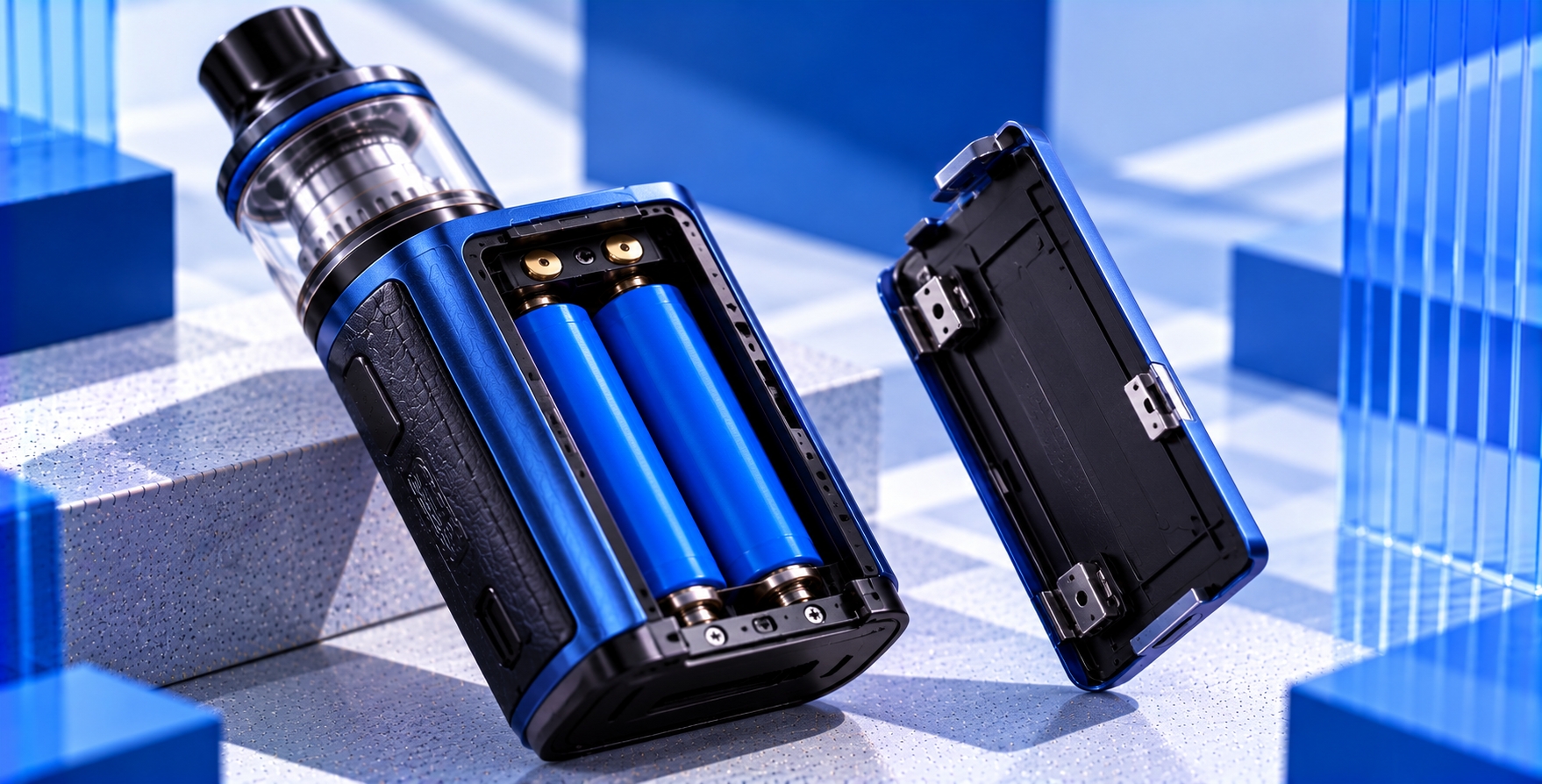
A vape battery door that feels loose, refuses to close, or suddenly opens during handling is more than a minor inconvenience. On devices with removable batteries, the compartment door helps keep the cells properly enclosed and protected during normal operation.
Battery doors vary between devices. Some use hinged covers with mechanical latches, while others have sliding panels, magnetic covers, or threaded caps. Each design has different retention mechanisms and manufacturer-specific handling requirements.
This guide explains common vape battery door problems, why latches and covers become damaged, how to recognize unsafe conditions, and when a device should be taken out of use rather than repaired at home.
Quick Answer: Why Is My Vape Battery Door Loose?
A loose vape battery door may result from a worn latch, damaged hinge, misaligned cover, broken retaining component, or physical damage to the battery compartment. In some devices, incorrect battery installation or an incompatible cell may also prevent the door from closing properly.
However, a door that does not close correctly should not automatically be blamed on the latch. Battery swelling, internal deformation, or other damage may also affect the compartment.
If the cover no longer closes and locks in the way specified by the manufacturer, discontinue use until the problem has been assessed.
How Vape Battery Doors Work
A battery compartment is designed to accommodate specific batteries while providing appropriate enclosure, positioning, and access for installation or replacement.
Depending on the device, the battery door may serve as a protective cover, a mechanical retention system, or part of the device's electrical connection arrangement. Its exact function depends on the manufacturer and design.
Common Battery Door Designs
| Door Type | How It Works | Potential Problem |
|---|---|---|
| Hinged battery door | Opens on a hinge and closes with a retaining mechanism | Hinge wear or latch damage |
| Sliding battery cover | Moves along guides or rails | Damaged tracks or poor alignment |
| Magnetic battery panel | Uses magnets and locating features to hold the panel | Loose magnets, damaged alignment points, or poor retention |
| Threaded battery cap | Screws into a manufacturer-designed opening | Damaged or cross-threaded components |
Not every removable-battery device uses a conventional door. Always identify the specific compartment design before following any handling instructions.
Common Vape Battery Door Problems and Their Causes
1. The Battery Door Feels Loose or Wobbly
A battery door that shifts noticeably may have worn retaining features, damaged hinges, or misaligned mounting points. Repeated opening and closing, accidental drops, and physical stress can contribute to mechanical wear.
A small amount of movement may be normal on some removable panels, but excessive movement or unreliable retention should not be assumed acceptable.
If the cover opens unexpectedly or no longer remains secured according to the manufacturer's design, stop using the device.
2. The Battery Door Will Not Close
A battery door that refuses to close may be obstructed, misaligned, or damaged. Incorrectly installed or incompatible batteries can also interfere with closure on some devices.
Importantly, battery swelling or deformation can also prevent a compartment from closing. This is a serious warning sign rather than an ordinary fitment problem.
Never press harder, compress a battery, or force the cover into position. If the battery or compartment appears deformed, stop handling it and seek manufacturer or qualified safety guidance.
3. The Battery Door Latch Is Broken
A latch may become damaged after repeated mechanical stress, an impact, or incorrect handling. Depending on its construction, the latch may crack, stop engaging, or fail to hold the cover closed.
A broken latch can compromise the door's intended retention function. Even if the device still powers on, that does not establish that the battery compartment is safe.
Avoid temporary repairs using tape, glue, rubber bands, or improvised fasteners. Contact the manufacturer about an approved replacement component or service procedure.
4. The Battery Cover Opens Unexpectedly
A cover that opens during handling may indicate an unreliable latch, worn retaining feature, damaged panel, or incorrect assembly.
Unexpected opening is especially concerning if it allows batteries to move or become exposed. Removable lithium-ion cells should not be allowed to fall out or contact conductive objects.
The U.S. Food and Drug Administration recommends keeping loose batteries in protective cases to prevent accidental contact with metal objects.
5. The Battery Door Is Misaligned After a Drop
An impact can deform the device housing, hinge, sliding mechanism, or retaining components. The door may appear crooked, leave an uneven gap, or stop engaging correctly.
Visible misalignment may also indicate damage elsewhere in the battery compartment. Do not attempt to straighten the enclosure, bend metal components, or force the door into place.
If the device was significantly dropped and the compartment no longer functions as designed, discontinue use and seek manufacturer assessment.
6. The Battery Door Feels Unusually Tight
A door that becomes difficult to open or close may have mechanical damage, debris in its retaining mechanism, or a battery installation problem.
However, sudden tightness or bulging can also indicate battery swelling or deformation. Never assume that additional pressure is the correct solution.
If the compartment appears swollen, distorted, or unusually hot, do not attempt to open it or remove the battery. Follow the manufacturer's safety guidance and seek appropriate assistance.
Can a Loose Battery Door Cause Vape Connection Problems?
On some removable-battery devices, the battery compartment design affects how the cells are positioned and how electrical contact is maintained. If the door or retention mechanism is damaged, battery movement or unreliable contact may occur.
Possible symptoms include intermittent power, unexpected shutdowns, or battery-detection errors. However, these symptoms can also have unrelated causes, so a loose door does not establish the exact electrical fault.
If your device displays a battery-related warning, read Vape.com's Check Battery warning guide for more information about device-specific error messages and safe checks.
Do not attempt to improve electrical contact by bending terminals, adding metal spacers, modifying the door, or applying pressure to the batteries.
How to Check a Vape Battery Door Safely
If the door appears loose or damaged, begin with a visual inspection and the manufacturer's instructions. Avoid forceful testing or attempts to repair the battery compartment.
- Stop using the device. Power it off if it can be handled safely and the manufacturer provides a power-off function.
- Check for immediate warning signs. Look for unusual heat, swelling, leaking, smoke, odors, or visible deformation. If any are present, stop handling the device.
- Identify the door mechanism. Consult the manual to determine whether the cover is hinged, sliding, magnetic, threaded, or another design.
- Inspect accessible exterior components. Look for obvious cracks, broken latch pieces, uneven gaps, or other visible damage without forcing the compartment open.
- Review battery compatibility. If the device is cool, undamaged, and designed for user-removable cells, follow the manual's installation and removal instructions. Never force a battery into place.
- Contact the manufacturer. If the door will not close securely or the retention mechanism is damaged, ask about an approved replacement or authorized service.
What Not to Do With a Damaged Vape Battery Door
Temporary mechanical fixes may appear convenient, but they can interfere with battery retention, ventilation, electrical connections, or safe access to the compartment.
- Do not tape, glue, or tie a damaged battery door shut.
- Do not insert coins, foil, metal spacers, or other conductive materials into the compartment.
- Do not bend battery terminals, springs, or electrical contacts.
- Do not force a door closed against a battery or obstructing component.
- Do not continue using a device with exposed or unsecured removable batteries.
- Do not drill, cut, or modify the battery enclosure.
- Do not cover or obstruct manufacturer-designed ventilation openings.
- Do not use an unverified replacement cover that changes the compartment's fit or retention.
For general battery handling, compatibility, and storage precautions, Vape.com's battery safety guide explains additional considerations for removable lithium-ion cells.
Should You Replace the Battery Door or the Entire Device?
The appropriate solution depends on the device's construction, the extent of damage, and whether the manufacturer offers an approved replacement part.
| Condition | Recommended Next Step |
|---|---|
| Removable cover damaged, housing otherwise intact | Ask the manufacturer whether an approved replacement cover is available |
| Latch or hinge broken | Stop use and request authorized service or replacement guidance |
| Battery compartment visibly deformed | Do not force the compartment; seek qualified assessment |
| Battery swollen, leaking, smoking, or unusually hot | Stop handling and follow battery emergency guidance |
| No manufacturer-approved repair or replacement available | Keep the device out of use and arrange appropriate recycling or disposal |
A replacement battery door should match the exact device model and manufacturer requirements. Similar appearance does not guarantee compatibility.
How to Prevent Battery Door Damage
Careful handling can help reduce avoidable wear on battery compartment components, although no latch or cover is immune to damage.
- Follow the manufacturer's opening and closing instructions.
- Avoid forcing the door or applying excessive pressure.
- Use only batteries that meet the device's specified requirements.
- Keep the device protected from drops, crushing, and unnecessary mechanical stress.
- Inspect the door for visible wear when performing routine manufacturer-approved maintenance.
- Keep the device dry and avoid allowing e-liquid or other liquids into the battery compartment.
- Stop using the device if the door begins opening unexpectedly or fails to latch.
General device maintenance can help identify visible wear before it becomes more serious. Vape.com's device maintenance guide covers routine inspections and care for user-accessible components.
Frequently Asked Questions
Why does my vape battery door keep opening?
A battery door that opens unexpectedly may have a worn latch, damaged retaining feature, misaligned cover, or another mechanical problem. Stop using the device if the door cannot securely retain the batteries as designed.
Can I tape my vape battery door shut?
No. Tape is not a manufacturer-approved substitute for a functioning battery retention mechanism. It may conceal damage or interfere with safe handling. Seek an approved replacement or authorized service instead.
Why won't my vape battery door close?
Possible causes include misalignment, damaged hinges, an obstructed latch, incorrect battery installation, or deformation of the compartment. Battery swelling is another serious possibility. Never force the door closed.
Can a loose battery door cause a Check Battery warning?
On some devices, damaged battery retention or unreliable electrical contact may contribute to battery-detection problems. However, the meaning of a Check Battery warning varies by model, and the door should not be assumed to be the cause without manufacturer guidance.
Is it safe to use a vape with a broken battery latch?
A broken latch may prevent the battery compartment from functioning as designed. Do not continue using the device if its batteries cannot be securely enclosed and retained. Contact the manufacturer about approved service or replacement.
Can I replace a vape battery door myself?
Only if the manufacturer specifically provides a user-replaceable cover and instructions for the exact model. Do not attempt repairs involving internal wiring, battery contacts, springs, or structural modifications.
What should I do if the battery compartment looks swollen?
Stop using and charging the device. Do not force the compartment open or attempt to remove a potentially swollen battery. If the device is smoking, hissing, burning, or presenting an immediate hazard, move away and contact emergency services.
Final Verdict
Vape battery door problems can range from a worn retaining mechanism to more serious compartment or battery damage. A loose cover, broken latch, or door that refuses to close should not be ignored, particularly on devices that use removable lithium-ion cells.
The safest approach is to identify the door design, inspect only accessible exterior components, and follow the manufacturer's instructions. If the battery door cannot close and secure the batteries properly, discontinue use rather than relying on a temporary fix.
When a manufacturer-approved replacement or repair is unavailable, retiring the damaged device is safer than modifying its battery enclosure.
Official Sources & Further Reading
- U.S. Food and Drug Administration — 5 Tips to Help Avoid Vape Battery Explosions
- U.S. Fire Administration — Battery Fire Safety
- U.S. Environmental Protection Agency — Used Lithium-Ion Batteries
Last reviewed: October 31, 2026. This article provides general information about removable-battery compartments and battery safety. Battery door designs, replacement procedures, and safety requirements vary by manufacturer and device model. Always follow the official instructions supplied with your device.