 United States

Why Is My Vape Making a Whistling Sound? Causes and What to Check
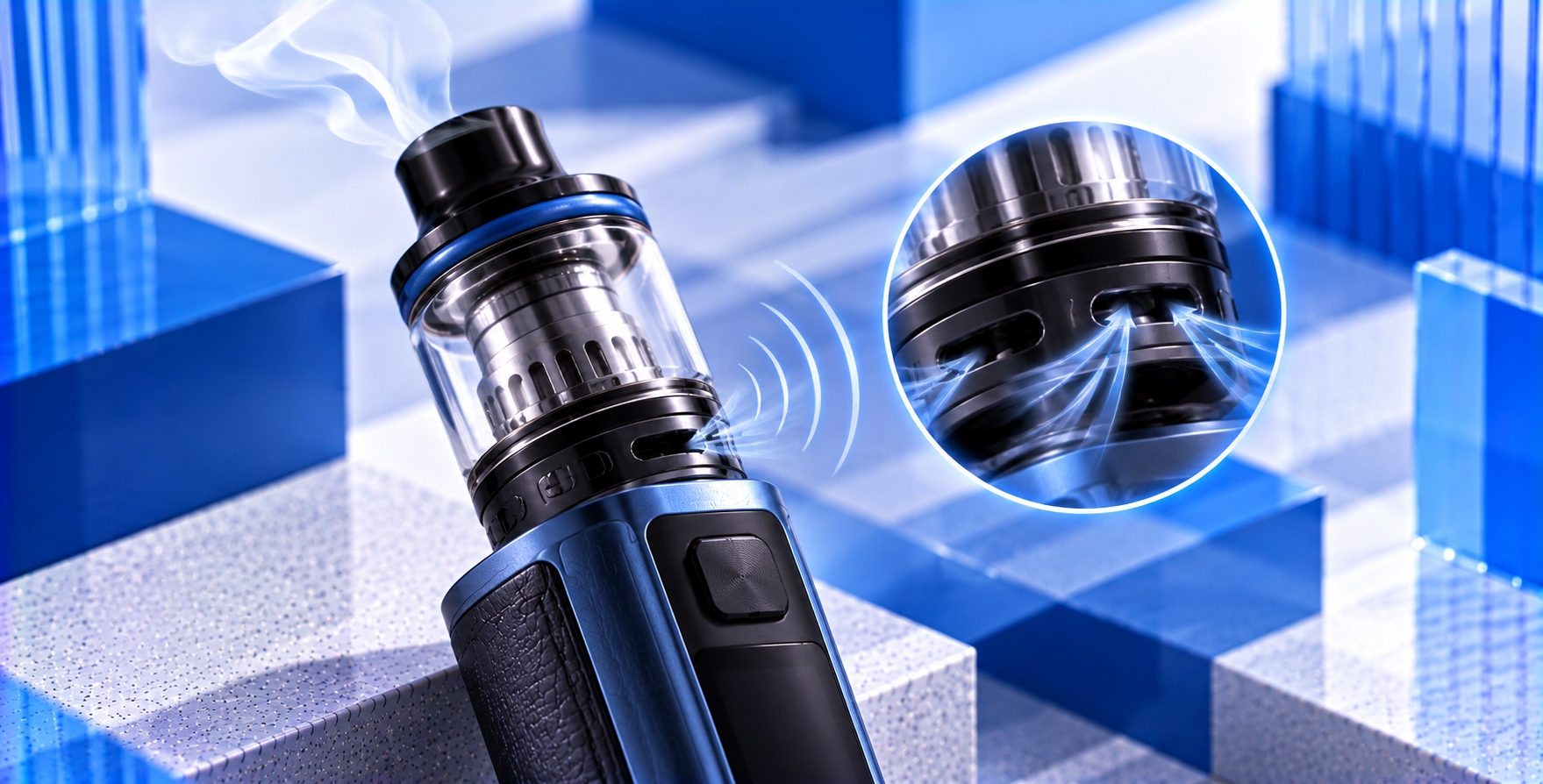
A vape that suddenly makes a high-pitched whistling sound can be confusing, especially if the noise appears when you inhale or after changing a tank, pod, or airflow setting. Sometimes the sound is simply air moving through a narrow opening. In other cases, it may point to an obstruction, an incorrectly fitted component, or damage affecting the airflow path.
Not every whistling sound means a vape is malfunctioning. Airflow channels differ between devices, and certain designs can produce audible tones as air passes through them. However, a new, persistent, or unusually loud whistle deserves attention, particularly if it comes with restricted airflow, leaking, excessive heat, or unexpected activation.
This guide explains why a vape may whistle, how to distinguish airflow noise from other sounds, what you can safely inspect, and when to stop using the device.
Quick Answer: Why Is My Vape Whistling?
A vape whistling sound is often associated with airflow moving through a narrow passage, opening, or gap. Depending on the device, possible causes include a restrictive airflow setting, condensation or residue in an air channel, an incorrectly seated mouthpiece, or a misaligned tank or pod component.
Air passing over an edge or through a small opening can create an audible tone. Changes in airflow speed, passage shape, and component fit may change the pitch or loudness of that sound.
However, whistling alone cannot identify a specific faulty part. The timing and location of the noise provide useful clues.
Is It Normal for a Vape to Make a Whistling Sound?
A faint whistle during inhalation may be a normal characteristic of certain airflow designs. Some tanks and pods have narrow inlets, adjustable airflow openings, or internal channels that generate more audible airflow noise than others.
A sound that has always been present and matches the manufacturer's documented behavior is different from a new whistle that develops after a drop, leak, component replacement, or other change.
| What You Notice | Possible Explanation | What to Check |
|---|---|---|
| Faint whistle only during inhalation | Airflow channel shape or normal air movement | Compare with manufacturer guidance |
| Whistle changes with airflow adjustment | Air moving through a different-sized opening | Confirm the setting is supported |
| Whistle starts after replacing a pod or tank | Component fit, alignment, or design difference | Check model compatibility and seating |
| Whistle with a restricted draw | Possible obstruction or narrow airflow passage | Inspect accessible air inlets |
| High-pitched sound while idle or charging | Not typical inhalation airflow; source uncertain | Stop use and seek manufacturer guidance |
These patterns are general observations, not definitive diagnoses. The exact meaning depends on the device model and operating conditions.
What Causes a Vape to Make a Whistling Sound?
1. Airflow Is Passing Through a Narrow Opening
One possible explanation is airflow moving through a narrow inlet or restricted passage. As air travels through small openings and around edges, it can produce audible tones depending on the passage geometry and airflow conditions.
This may be more noticeable on certain tanks and pods designed for a restricted draw. However, a tighter airflow setting does not always produce more whistling; the result depends on the shape and position of the openings.
If your device has adjustable airflow, compare the sound with the settings described in the official manual. Do not block air inlets or operate outside the manufacturer's recommended configuration.
2. Condensation or Residue Is Partially Blocking the Airflow Path
Condensation and e-liquid residue can accumulate around mouthpieces, airflow channels, and other accessible parts of a refillable tank or pod.
If residue changes the shape or size of an opening, the resulting airflow may sound different. Depending on the location and amount of liquid, the device may also develop a restricted draw or gurgling sound.
Check only the accessible areas that the manufacturer identifies as user-serviceable. Follow approved cleaning instructions and avoid pushing objects into narrow internal passages.
Vape.com's tank cleaning guide explains how to inspect and clean appropriate removable components without exposing the electronic device to water.
3. The Mouthpiece Is Loose, Damaged, or Incorrectly Seated
A removable mouthpiece may affect the shape of the airflow passage. If it is incorrectly installed, cracked, or incompatible with the tank, air may pass through an unintended gap or edge.
Depending on the design, this can change the sound produced during inhalation. A loose mouthpiece may also shift during handling or create an inconsistent draw.
Inspect the mouthpiece for visible damage and confirm that it matches the device's specifications. Do not use adhesive, tape, or improvised spacers to change its fit.
4. The Airflow Control Ring Is Misaligned
Some refillable tanks use an adjustable airflow control ring. Its position changes how much of the air inlet remains open.
A partially open inlet may produce a different sound than a fully open one. If the ring is damaged, obstructed, or incorrectly positioned, airflow may become uneven.
Only adjust airflow within the manufacturer's intended range. If the ring no longer moves or seats correctly, avoid forcing it and contact the manufacturer.
5. A Pod, Coil, or Tank Component Is Not Seated Correctly
Tank and pod components are designed to fit together in specific positions. Incorrect seating may change airflow pathways or create unintended gaps.
For example, an incorrectly installed pod or coil may affect how air moves through the assembly, depending on the device's construction.
However, a whistle does not prove that the coil or pod is incorrectly installed. Confirm compatibility and assembly using the exact manufacturer's instructions before drawing conclusions.
6. A Seal or Tank Component Is Damaged
Damaged O-rings, cracked tank components, and poorly fitted seals may create unintended openings. On certain designs, these gaps can alter airflow or allow e-liquid to escape.
A whistle accompanied by fresh leaking, visible cracks, or a component that no longer fits properly should be treated as a possible mechanical problem.
Do not compensate for a damaged seal by overtightening the tank or adding unapproved materials. Replace user-serviceable parts only with manufacturer-specified components.
Why Does My Vape Whistle When I Inhale?
A whistle that occurs specifically during inhalation is more consistent with airflow-related sound than a noise originating from the battery or charging system.
During a draw, air passes through the device's inlets, internal channels, and mouthpiece. The geometry of these passages can influence airflow speed, turbulence, and audible tones.
If the whistle appears only when air moves through the device, inspect the manufacturer-approved airflow settings and accessible openings. If the sound is new or accompanied by a noticeably restricted draw, stop using the device until the cause is understood.
Why Does My Vape Whistle After Changing the Coil or Pod?
A new coil or pod may have a different internal airflow design, even when it is compatible with the same device family. This can change how the device sounds during inhalation.
Alternatively, a component may not be installed correctly, or an intended seal may have become displaced during replacement.
Confirm that the installed component is specified for the exact device model and follows the manufacturer's installation procedure. Do not force incompatible parts into place.
Whistling vs. Gurgling, Crackling, and Hissing
Different sounds can point toward different parts of the device, although noise alone is not enough to diagnose a fault.
| Sound | Typical Characteristic | Possible Area Involved |
|---|---|---|
| Whistling | High-pitched tone associated with moving air | Air inlet, mouthpiece, or airflow channel |
| Gurgling | Wet, bubbling sound | Excess liquid around the coil or airflow path |
| Crackling | Brief popping or sizzling during heating | Coil and e-liquid heating process |
| Hissing | Sustained escaping-air or sizzling-like sound | Source varies; potentially serious if idle or charging |
A hiss from a hot, smoking, swollen, or otherwise damaged battery is not normal airflow noise. Move away from the device and seek emergency assistance if it presents an immediate hazard.
How to Check a Whistling Vape Safely
If the device is cool, undamaged, and not showing electrical warning signs, basic visual checks may help identify an airflow-related problem.
- Stop using the device and switch it off. Follow the manufacturer's shutdown procedure where available.
- Identify when the noise occurs. Note whether it happened during inhalation, after replacing a component, while idle, or during charging. Do not repeatedly activate a malfunctioning device to reproduce the sound.
- Inspect accessible airflow openings. Look for visible residue, condensation, debris, or damage without inserting sharp objects or tools.
- Review airflow settings. If the device has adjustable airflow, check that the control is positioned according to the manual.
- Check component fit. Confirm that the mouthpiece, pod, or tank is the correct model and is seated as the manufacturer specifies.
- Look for leaking or damage. Check accessible seals, reservoir surfaces, and connection areas for cracks or fresh e-liquid.
- Follow approved maintenance instructions. Clean only user-serviceable components using the recommended methods.
- Contact manufacturer support. If the noise persists, the airflow remains restricted, or the device behaves abnormally, discontinue use.
Do not enlarge airflow holes, drill components, remove protective parts, or modify the device to change the sound. These actions can compromise the intended design.
When Is a Whistling Vape a Warning Sign?
A whistle during normal airflow is different from a high-pitched noise accompanied by electrical or battery symptoms.
Stop using the device if you notice any of the following:
- A new high-pitched sound while the device is idle or charging.
- Unusual heat, swelling, smoke, or a burning or chemical odor.
- Unexpected activation without intentional input.
- Cracked, loose, or visibly damaged tank or pod components.
- Severe airflow restriction or a blocked mouthpiece.
- Liquid entering the charging port, battery compartment, or internal electronics.
- Persistent abnormal noise following an impact or liquid exposure.
For broader warning signs, Vape.com's device failure guide explains when an operating problem should be treated as a potential safety concern rather than routine maintenance.
Can a Whistling Vape Be Fixed by Cleaning?
Cleaning may help if visible residue or condensation is interfering with a user-serviceable airflow opening. However, cleaning cannot correct every cause of whistling.
A sound caused by the normal shape of an airflow channel may remain unchanged. A cracked component, damaged seal, or misaligned assembly may require an approved replacement or manufacturer service.
If the noise persists after manufacturer-approved checks, avoid repeated cleaning or disassembly in an attempt to eliminate it.
Frequently Asked Questions
Why does my vape make a whistling noise when I inhale?
Air moving through a narrow inlet, mouthpiece, or internal channel may create a high-pitched tone. The sound can also change if residue, component fit, or airflow settings alter the passage. Consult the manufacturer's instructions if the whistle is new or persistent.
Is a whistling vape dangerous?
Not necessarily. Some airflow designs naturally produce audible tones. However, a new or unexplained sound accompanied by unusual heat, smoke, unexpected activation, or battery damage requires immediate attention.
Why does my vape whistle after changing the pod?
The replacement pod may have a different airflow design, or it may not be seated as intended. Verify exact model compatibility and installation before assuming the device itself is faulty.
Can a blocked airflow hole make a vape whistle?
A partial obstruction can change airflow speed and passage shape, potentially altering the sound. Inspect only accessible openings and follow manufacturer-approved cleaning procedures.
Why does my vape whistle even when I am not using it?
A sound while the device is idle is not typical inhalation airflow noise. Stop using and charging the device, particularly if the noise is accompanied by heat, odors, unexpected activation, or other abnormal behavior.
Does a whistling sound mean my vape coil is damaged?
No. A whistle alone does not identify a damaged coil. Airflow design, component fit, residue, and other factors may be involved. Follow model-specific guidance before replacing parts.
Can I change the airflow setting to stop whistling?
On devices with adjustable airflow, the setting can change the sound produced during inhalation. Use only manufacturer-supported positions and do not obstruct or modify airflow openings.
Final Verdict
A vape making a whistling sound is often associated with air moving through narrow openings or changes in airflow geometry. Depending on the device, the sound may be normal or related to residue, component alignment, damaged seals, or restricted airflow.
The timing of the noise matters. A faint whistle during inhalation is different from an unexplained high-pitched sound while the device is idle or charging.
Start with the official device manual and non-invasive checks of accessible airflow components. If the noise persists, the device is physically damaged, or electrical warning signs appear, discontinue use and contact the manufacturer.
Sources & Further Reading
- U.S. Food and Drug Administration — Vape Battery Safety Guidance
- Vape.com — How to Clean and Maintain Your Vape Tank
- Vape.com — Warning Signs Your Vape Device Is Failing
Last reviewed: October 31, 2026. This article provides general troubleshooting and safety information for adults of legal purchasing age. Airflow designs, component serviceability, and normal operating sounds vary by device. Follow the official manufacturer's instructions for your specific model.