 United States
How to Clean Vape Coils: Keep Your Device Running Like New
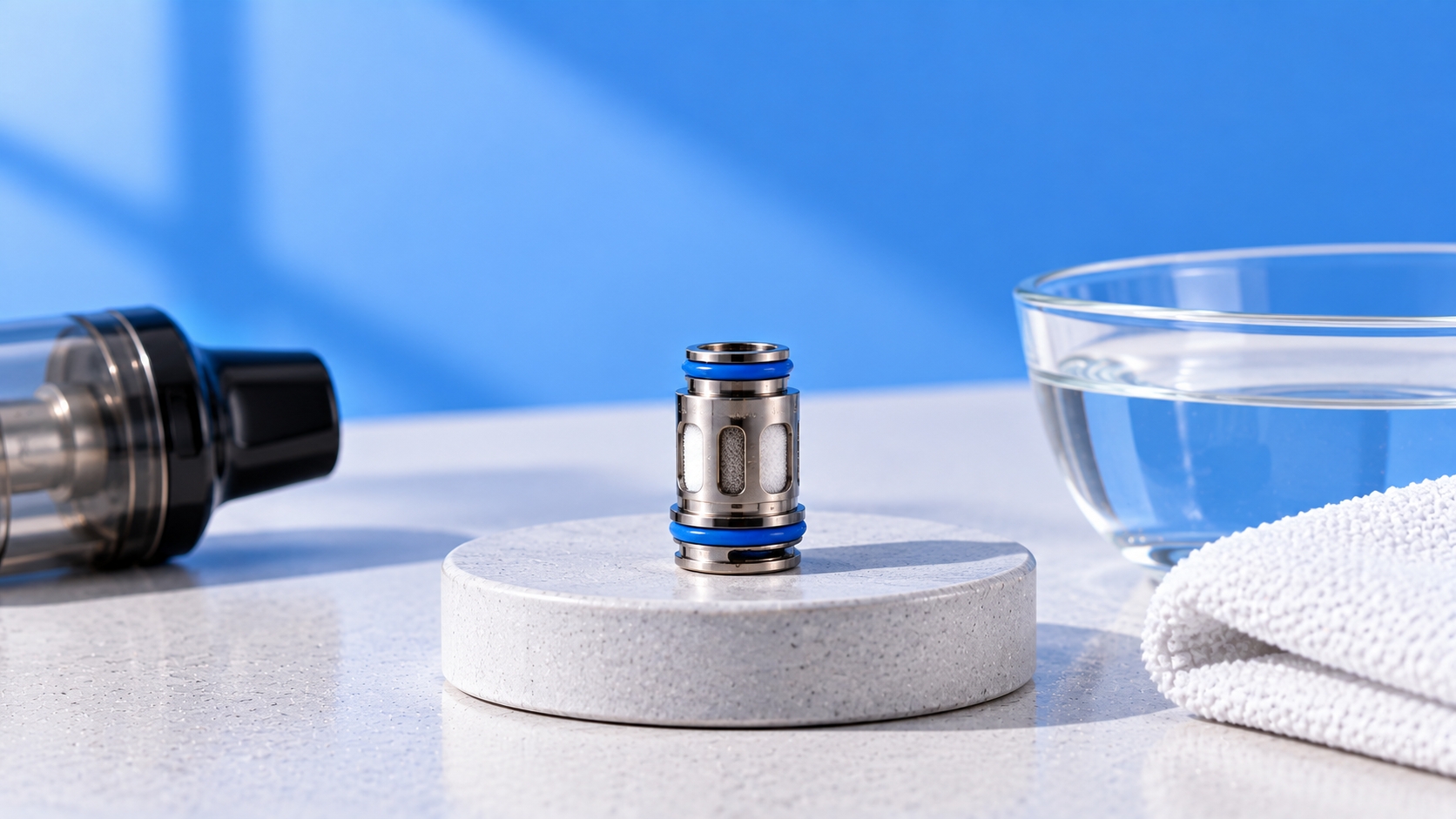
Not every vape coil is designed to be cleaned or reused. Before rinsing, soaking, removing, or reinstalling a coil, check the instructions for your exact tank, pod, and coil. If the wick is scorched, the coil is damaged, or the manufacturer recommends replacement rather than cleaning, replace the coil instead.
Residue can gradually collect around a vape coil and its wicking material, affecting flavor and performance. In some setups, careful cleaning may remove loose e-liquid residue and help determine whether the coil is still usable. But cleaning cannot restore every worn or damaged coil.
This guide explains how to clean vape coils conservatively, which coils may be suitable for cleaning, what to avoid, and when replacing the coil is the more appropriate option.
Can You Clean a Vape Coil?
It depends on the coil design and the manufacturer's instructions. Vape coils are not all constructed the same way, and a cleaning method that is suitable for one setup should not automatically be applied to another.
A replaceable prebuilt coil head typically combines a metal heating element with absorbent wicking material inside a compact housing. Because the wick is part of the assembly, residue may become trapped within material that cannot be completely restored through rinsing.
Rebuildable atomizers are different because the heating element and wick may be serviced separately, but they require their own maintenance procedures and should not be treated as equivalent to sealed or prebuilt replacement coils.
Why Do Vape Coils Become Dirty?
During normal operation, the heating element turns e-liquid into an aerosol. The FDA describes the atomizer as the component of an electronic nicotine delivery system that converts e-liquid into an inhaled aerosol.
Repeated heating can leave deposits around the heating surface and wick. Research has also found that e-liquid composition and operating conditions can influence what occurs at the coil during heating. For example, published research has examined how sweeteners and repeated heating affect mesh-coil surfaces.
Visible buildup does not necessarily mean the coil can be restored, however. The condition of the wick and heating element matters just as much as the residue you can see.
Signs a Coil May Need Attention
A change in performance can indicate that the coil should be inspected. Common signs include:
- Flavor becoming noticeably muted or different
- Visible residue around an accessible coil surface
- Reduced vapor compared with the device's normal performance
- Persistent unwanted flavor after changing e-liquid
- Darkened or heavily saturated wicking material
These symptoms do not automatically mean cleaning will solve the problem. A persistent worn coil may already be approaching replacement rather than needing routine cleaning.
Cleaning vs. Replacing a Vape Coil
Before cleaning, determine whether the coil is simply carrying residue or has already deteriorated. Cleaning can remove some accessible residue, but it cannot reverse physical damage or restore scorched wicking material.
| Coil Condition | More Appropriate Action |
|---|---|
| Light accessible residue, no visible damage | Check manufacturer instructions to determine whether cleaning is permitted |
| Lingering flavor from a previous e-liquid | Cleaning may help on a serviceable coil, depending on its construction |
| Scorched or visibly damaged wick | Replace the coil |
| Damaged, deformed, or corroded metal components | Replace the coil |
| Persistent burnt taste after the coil is properly saturated | Replacement is generally more appropriate than repeated cleaning attempts |
Before Cleaning a Vape Coil
Start by identifying the exact coil and tank or pod you are using. The coil type and compatibility determine how the component is installed and whether it is intended to be removed or serviced.
Turn the device off and allow the hardware to cool before disassembly. Remove the tank or pod according to the manufacturer's instructions and avoid pulling, twisting, or opening components that are not designed to be serviced.
How to Clean a Vape Coil Safely
If the manufacturer confirms that your particular replaceable coil can be rinsed or cleaned, use the procedure specified for that component. A conservative water-based process may involve the following steps.
1. Turn Off and Disassemble the Device
Turn off the device and allow it to cool. Remove the tank or pod and then remove the coil only if it is designed to be user-removable.
2. Inspect the Coil Before Cleaning
Look for damaged seals, deformation, corrosion, damaged contacts, or visibly scorched wicking material. If any of these are present, replacing the coil is preferable to attempting to restore it.
3. Rinse Only If the Manufacturer Allows It
For a water-cleanable removable coil, gently rinsing with clean water may loosen accessible e-liquid residue. Avoid high-pressure water, aggressive scraping, or forcing objects through the coil housing because the wick and heating structure can be damaged.
4. Remove Excess Water
Allow excess water to drain naturally. Do not twist, squeeze, or pull exposed wicking material.
5. Allow the Coil to Dry Completely
A rinsed coil should be completely dry before it is reinstalled and used. Drying time varies with coil construction and environmental conditions, so avoid treating a fixed number of hours as universal.
Do not use an oven, open flame, or another uncontrolled heat source to accelerate drying.
6. Reinstall and Saturate the Wick
Once completely dry, reinstall the coil according to the manufacturer's instructions. After adding e-liquid, give the wick sufficient time to become fully saturated before activation. Proper coil priming helps reduce the chance of activating a dry wick.
What Should You Avoid When Cleaning Vape Coils?
A cleaning method should not introduce unnecessary chemicals, physical damage, or heat to a component that will later be heated during normal use.
- Do not assume alcohol soaking is appropriate. Avoid soaking prebuilt coils in isopropyl alcohol or other solvents unless the coil manufacturer explicitly provides that procedure.
- Do not scrape the heating element. Metal tools can damage the coil structure, wick, or contacts.
- Do not aggressively brush a prebuilt coil. Internal wicking and mesh structures can be delicate and difficult to inspect for damage.
- Do not apply uncontrolled heat. Ovens, open flames, and high-temperature drying methods can damage components.
- Do not repeatedly clean a deteriorated coil. Cleaning cannot repair damaged metal or burned wicking material.
Can You Clean a Burnt Vape Coil?
A genuinely burnt coil is different from a dirty coil. If the wicking material has been scorched, rinsing may remove residue but cannot restore the damaged material to its original condition.
If a burnt taste persists after confirming that the coil is properly installed and saturated, replacement is generally more appropriate than repeatedly washing the same coil.
Can You Clean Mesh Vape Coils?
Mesh describes the shape of the heating element, but mesh coils still vary in materials, wick construction, housing, and manufacturer specifications. That means there is no single cleaning procedure that applies to every mesh coil.
Research examining used mesh heating surfaces has documented changes to coil surfaces after repeated heating under experimental conditions, reinforcing why visible condition and manufacturer guidance matter when deciding whether a coil should remain in service.
How Often Should You Clean a Vape Coil?
There is no universal cleaning schedule or guaranteed number of times a prebuilt vape coil can be cleaned. Coil design, e-liquid, operating conditions, frequency of use, and wick condition all vary.
Instead of following a fixed “two or three cleanings” rule, inspect the coil's condition and follow its manufacturer's maintenance or replacement instructions. If performance continues to decline after cleaning, replacement may be the more appropriate next step.
How to Reduce Coil Buildup
Good operating habits can reduce avoidable stress on a coil, although no routine can make a replaceable coil last indefinitely.
- Use the coil within the wattage range specified by its manufacturer.
- Prime a new coil before normal use according to the manufacturer's instructions.
- Keep enough e-liquid available to maintain proper wick saturation.
- Avoid continuing to use a coil that produces a persistent burnt taste.
- Inspect the coil when flavor or performance changes noticeably.
Operating conditions matter because research has shown that coil power, temperature, and e-liquid composition can influence the aerosol generated by electronic cigarettes.
When Should You Replace the Coil Instead?
Cleaning should not be used to postpone replacement when the coil has clearly deteriorated. Consider replacement when you find:
- Scorched or damaged wicking material
- Persistent burnt or abnormal flavor
- Damaged or deformed coil components
- Corrosion or physical deterioration
- Performance that remains poor after permitted cleaning and proper reinstallation
When replacement is necessary, use a coil confirmed to be compatible with the exact device or tank. Replacement coils differ in fit, resistance, and recommended operating range, so matching the correct model matters more than choosing one based only on appearance.
Bottom Line
Cleaning a vape coil may remove accessible residue from certain serviceable coils, but it is not a universal way to restore every prebuilt coil. Coil construction and manufacturer instructions should determine whether cleaning is appropriate in the first place.
Keep the process conservative: inspect the coil first, use only manufacturer-supported cleaning methods, let any rinsed component dry completely, and replace coils with burned wicks, corrosion, physical damage, or persistent performance problems.
Coil designs vary between manufacturers and product families. When maintenance instructions for your exact coil differ from general guidance, follow the manufacturer's instructions for that component.
Coil Care & Technical References
- U.S. Food and Drug Administration (FDA) — E-Cigarettes, Vapes, and Other Electronic Nicotine Delivery Systems (ENDS)
- National Library of Medicine / PubMed Central — Variations in Coil Temperature/Power and E-Liquid Constituents Change Particle Emissions
- National Library of Medicine / PubMed Central — Effects of Sweeteners and Heating on Mesh Coil Surface Characteristics
- National Library of Medicine / PubMed Central — Metal Concentrations in E-Cigarette Liquid and Aerosol: Contribution of Metallic Coils