 United States
How to Spot a Fake Vape Product
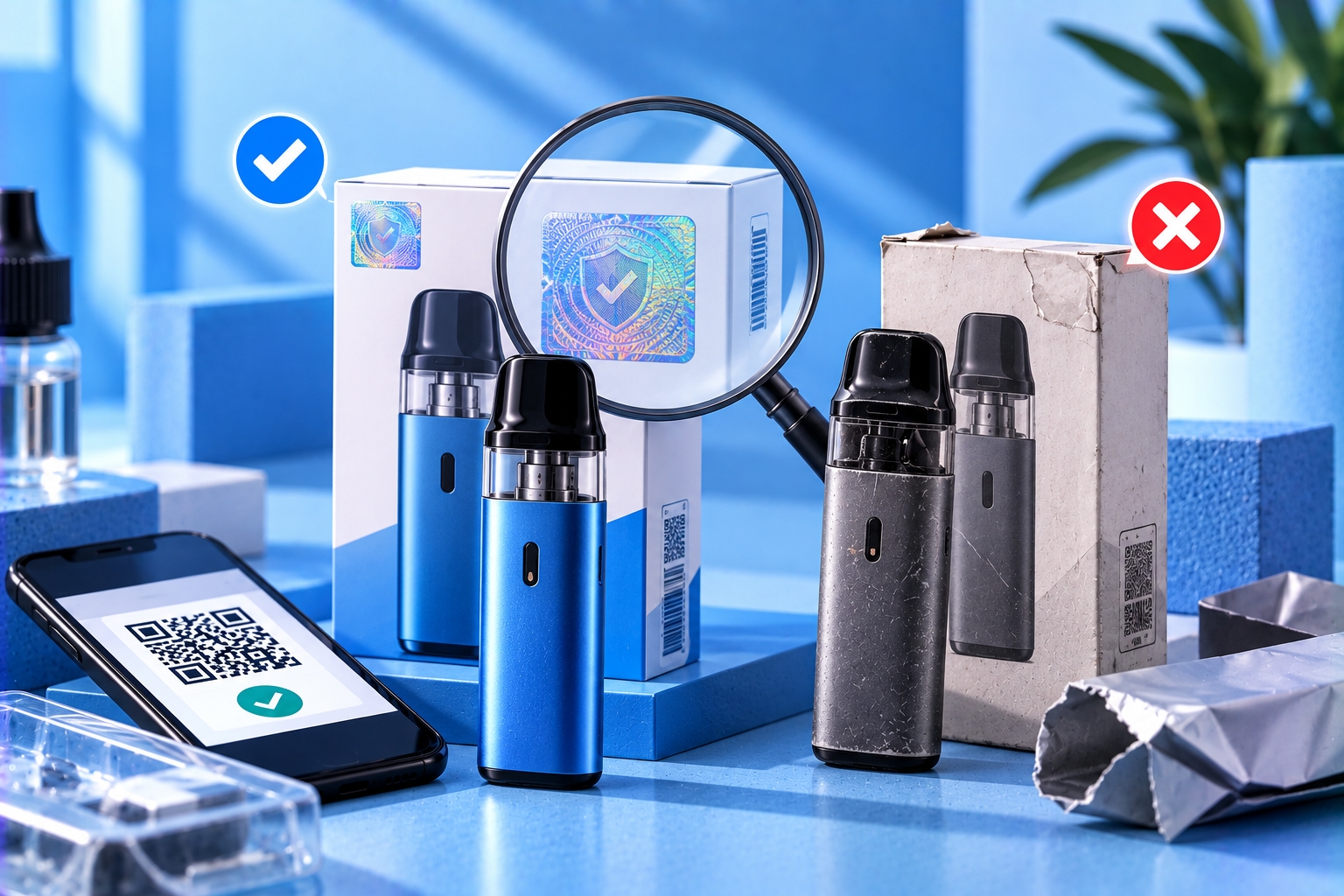
Packaging differences, unusual prices, or performance problems can be warning signs, but they do not by themselves prove that a vape product is counterfeit. When possible, verify the exact product through the manufacturer's official authentication system, documentation, or customer support.
A vape that looks unusual or performs differently from expected can raise questions about authenticity, but identifying a counterfeit requires more than judging its appearance. Packaging, authentication codes, model information, seller details, and manufacturer verification can provide stronger evidence.
This guide explains practical checks you can use when evaluating a vape device, replacement component, or e-liquid and what to do when a product cannot be verified.
Why Vape Product Authenticity Matters
Authenticity matters because an unverified product may not match the specifications, materials, battery configuration, ingredients, labeling, or manufacturing information associated with the genuine product it claims to be.
That does not mean every malfunctioning or unusually packaged product is counterfeit. Genuine products can also be damaged, defective, stored incorrectly, or updated by manufacturers. Verification should therefore focus on evidence rather than one warning sign.
For devices using rechargeable or removable batteries, authenticity concerns also overlap with vape battery safety. Battery type, condition, charging requirements, and manufacturer specifications should be checked independently of whether the exterior packaging looks genuine.
How to Check Whether a Vape Product Is Authentic
1. Identify the Exact Product
Start with the complete brand, model, generation, and variant rather than relying on appearance alone. Manufacturers can sell several devices with similar names or designs.
The same principle applies when identifying a vape device: check the device itself, original packaging, manufacturer documentation, and complete model name before comparing it with another product.
2. Look for Manufacturer Authentication Features
Some manufacturers use serial numbers, scratch-off verification codes, QR codes, holograms, security labels, or online verification systems. If the product includes one, use the verification method provided by the manufacturer.
Enter verification codes only through the manufacturer's official website or authentication system. A QR code printed on packaging should not automatically be treated as proof of authenticity because a counterfeit package can also contain a QR code.
3. Compare the Packaging With Current Manufacturer Information
Check the product name, model, branding, spelling, warnings, labels, seals, and other identifying information against current manufacturer materials.
Possible warning signs include:
- Misspelled brand or product names
- Unusual or inconsistent logos
- Missing model information
- Poor or unusually blurry printing
- Broken or unexpected seals
- Verification codes that fail through the official system
- Product specifications that do not match manufacturer documentation
Packaging can change between product revisions and markets, so a difference should trigger further verification rather than automatically proving the product is fake.
4. Check the Seller
Seller information can provide additional context. Check whether the manufacturer publishes an authorized retailer or distributor list, whether the seller provides clear contact and return information, and whether the product description identifies the exact model being sold.
An unusually low price can justify closer inspection, but price alone cannot establish authenticity. Discounts, discontinued inventory, regional pricing, and promotions can also produce large price differences.
Common Counterfeit Warning Signs
Authentication Code Problems
A verification code that the manufacturer's official system identifies as invalid, already checked an unusual number of times, or inconsistent with the product deserves further investigation. Contact the manufacturer if the result is unclear.
Product Details Do Not Match
Compare model numbers, battery specifications, pod or coil platform, resistance, dimensions, controls, and other documented features with the manufacturer's current specifications.
This is particularly important for replacement hardware. A component that looks similar is not necessarily genuine or compatible. Exact model and manufacturer information are also central to checking vape part compatibility.
Unusual Packaging
Poor printing, spelling errors, inconsistent logos, missing labels, or altered security features can be warning signs. However, packaging alone should not be used as the final authenticity test.
Unexpected Device Behavior
Abnormal heating, charging problems, inconsistent power, damaged components, or other unusual behavior requires attention regardless of whether the device is genuine.
Performance problems do not prove counterfeiting. A genuine device can malfunction because of damage, component wear, incorrect installation, incompatible hardware, or another technical issue.
How to Check Vape Coils and Replacement Parts
Replacement coils, pods, and other components can be difficult to evaluate from appearance alone. Start by confirming the exact component family, resistance, model number, packaging identifiers, and devices officially listed as compatible.
Do not assume a coil is genuine because it fits physically or has the expected resistance. Two components can look similar while belonging to different hardware platforms.
If performance changes after installing a replacement component, first verify compatibility and installation. Normal vape coil performance can also change with power, e-liquid, wick saturation, usage, and component condition, so poor performance alone is not proof of a counterfeit coil.
How to Evaluate E-Liquid Authenticity
For packaged e-liquid, compare the bottle, labeling, nicotine information, manufacturer details, seals, lot or batch information when provided, and other identifying features with current information from the manufacturer.
A different flavor, color, smell, or consistency may justify stopping use and contacting the manufacturer or seller, but sensory differences alone cannot establish that an e-liquid is counterfeit.
Avoid assuming that a particular commercial brand is automatically safer simply because it is well known. Product authenticity, regulatory status, labeling, ingredients, and appropriate use are separate questions.
What to Do If You Suspect a Fake Vape
If you cannot verify a product or believe something is wrong with it:
- Stop using it if it appears damaged or behaves abnormally.
- Keep the packaging, receipt, verification code, lot information, and seller details.
- Compare the product with the manufacturer's current specifications.
- Use the manufacturer's official authentication system when available.
- Contact the manufacturer or seller when verification remains unclear.
- Report suspected product problems through the appropriate official channel when warranted.
In the United States, the FDA Safety Reporting Portal provides a route for reporting problems involving tobacco products.
Battery Problems Require Separate Attention
A suspected counterfeit battery or device should not be diagnosed solely from its branding. Stop using batteries or devices showing swelling, leaking, physical damage, unusual heat, discoloration, odor, or other abnormal behavior.
The FDA provides guidance on avoiding vape battery fires or explosions, including following manufacturer instructions and taking precautions when charging and handling vape batteries.
For removable batteries, use only the battery type and specifications appropriate for the device. A cell physically fitting inside a device does not establish that it is electrically appropriate or authentic.
A Simple Authenticity Checklist
- Confirm the exact brand and model.
- Check manufacturer specifications.
- Use the official authentication system when available.
- Inspect security codes, seals, labels, and model information.
- Compare packaging with current manufacturer materials.
- Verify replacement-part compatibility separately.
- Investigate abnormal device or battery behavior.
- Keep purchase and packaging information if reporting a problem.
Final Thoughts on Spotting Fake Vape Products
Spotting a possible counterfeit vape is less about finding one universal giveaway and more about combining several checks. Manufacturer authentication, exact model information, packaging details, seller information, hardware specifications, and product behavior can all contribute evidence.
Avoid treating price, packaging quality, flavor, or performance as proof on their own. When authenticity remains uncertain, the manufacturer's official verification system or support channel should take priority over visual guesswork.
Sources & Further Reading
- U.S. Food & Drug Administration — Safety Reporting Portal for Tobacco Products
- U.S. Food & Drug Administration — E-Cigarettes, Vapes, and Other ENDS
- U.S. Food & Drug Administration — Tips to Help Avoid Vape Battery Fires or Explosions
If a vape device or battery shows physical damage, swelling, leaking, unusual heat, odor, discoloration, or abnormal charging behavior, stop using it and follow the manufacturer's safety instructions. Authenticity and device condition are separate issues, and a genuine product can still become damaged or unsafe to continue using.