 United States
Preventing Dry Hits: How to Keep Your Vape Tank in Top Condition
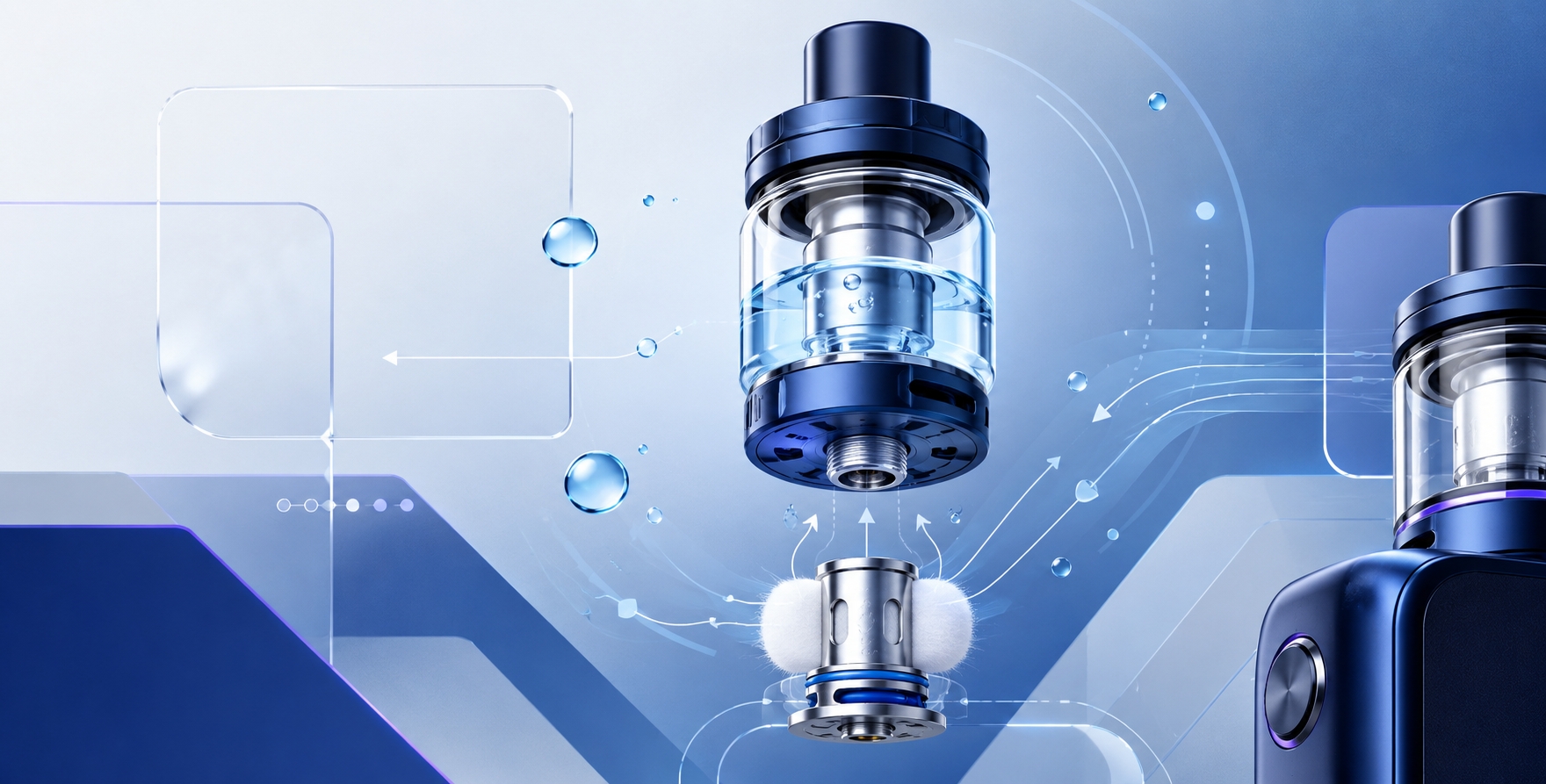
A dry hit usually points to insufficient e-liquid reaching the wick before the coil heats. Because coil designs, recommended power ranges, and priming procedures vary, follow the instructions supplied by the coil or device manufacturer when troubleshooting persistent dry hits.
A sudden harsh or unusually dry-tasting puff can be a sign that the wick is not supplying enough e-liquid to the heating coil. This is commonly called a dry hit, and it can happen even when the coil itself has not permanently failed.
Low e-liquid, incomplete wick saturation, power settings, repeated puffs, e-liquid viscosity, and coil condition can all affect liquid delivery. Identifying which factor is limiting wick saturation is more useful than immediately replacing the entire setup.
What Is a Dry Hit?
During normal operation, e-liquid held by the wick is heated by the coil and converted into aerosol. A dry hit can occur when the wick cannot replenish that liquid quickly enough before or during heating.
Research measuring e-cigarette heating-coil temperatures has shown that coil temperature can change substantially depending on whether the wick remains adequately supplied with liquid. This helps explain why wick saturation is an important operating condition rather than simply a flavor preference.
A dry hit does not necessarily mean the coil is permanently ruined. However, continuing to operate a poorly saturated wick can expose it to excessive heat and may eventually lead to persistent burnt flavor or deterioration.
Dry Hit vs. Burnt Hit: What's the Difference?
The terms are often used interchangeably, but distinguishing them can make troubleshooting easier.
| Problem | What It Usually Indicates | First Check |
|---|---|---|
| Dry hit | The wick is not supplying enough e-liquid during heating. | E-liquid level, wick saturation, power, and usage pattern |
| Persistent burnt taste | The wick or coil may already be deteriorated, although other setup problems can also affect flavor. | Coil condition, installation, saturation, and recommended operating range |
If the unpleasant taste remains after the wick has had adequate time to resaturate and the setup has been checked, the issue may no longer be a temporary dry hit. Persistent burnt flavor is covered separately in the burnt taste troubleshooting guide.
What Causes Dry Hits?
Low E-Liquid Around the Wick
Many coil designs rely on wick openings remaining in contact with an adequate supply of e-liquid. If the reservoir level becomes too low for the particular tank or pod design, the wick may struggle to replenish liquid between puffs.
Check the reservoir and follow the manufacturer's minimum-fill or refill guidance where provided. Do not assume that every tank can be operated normally until it is completely empty.
A New Coil Wasn't Fully Saturated
A new coil contains relatively dry wick material. Using it before the wick has absorbed enough e-liquid can produce an unpleasant first puff and may expose the wick to excessive heat.
Priming methods and recommended waiting times vary by coil design. Some manufacturers instruct users to fill the tank and wait for a specified period, while others provide additional preparation steps. Follow the instructions for the exact coil rather than relying on one universal number of drops or minutes.
The dedicated coil priming guide explains wick saturation and initial coil setup in more detail.
Power Is Too High for the Coil
Increasing power increases the energy delivered to the heating element. If a replaceable coil is operated outside its intended range, the wick may not be able to replenish e-liquid at the rate required by the heating conditions.
Check the recommended operating range printed on the coil, packaging, manual, or manufacturer's product documentation. Resistance alone should not be used to guess the correct wattage.
If you're unsure whether the installed coil matches the device and intended operating range, the broader coil guide covers resistance, wattage, compatibility, and coil design.
Repeated Puffs Outpace Wick Saturation
After a puff, the wick needs to draw more e-liquid toward the heating area. Repeated activation with little recovery time can sometimes consume liquid faster than the wick can replenish it.
If dry hits appear primarily during rapid repeated use but disappear after the device rests, allow more time between puffs and confirm that the device is being operated within its manufacturer's recommendations.
E-Liquid Viscosity Doesn't Match the Setup
Propylene glycol (PG) and vegetable glycerin (VG) have different physical properties, and changing their proportions affects an e-liquid's viscosity. In general, higher-VG mixtures are more viscous than higher-PG mixtures.
That does not mean every high-VG liquid causes dry hits or that every low-power device requires the same PG/VG ratio. Coil construction, wick openings, temperature, power, and manufacturer specifications all matter.
Use the e-liquid range recommended for your tank, pod, or coil. The dedicated VG/PG guide explains how liquid composition relates to different device and coil configurations.
The Coil Is Worn or Contaminated
Coils do not maintain identical performance indefinitely. Residue, wick deterioration, operating conditions, and e-liquid composition can change how a coil performs over time.
If dry-hit symptoms continue despite adequate e-liquid, correct setup, proper saturation, and appropriate power, inspect the coil for other replacement signals. The coil lifespan guide explains why replacement timing varies and what performance changes can indicate an aging coil.
How to Fix a Dry Hit
If you experience a dry hit, stop firing the device repeatedly. Give the setup a chance to recover and work through the likely causes systematically.
- Stop vaping temporarily. Repeatedly heating an inadequately saturated wick can make the problem worse.
- Check the e-liquid level. Make sure the wick has access to sufficient liquid for the particular tank or pod design.
- Allow the wick to resaturate. Give the liquid time to move back into the wick before trying the device again.
- Check the power setting. Confirm that the coil is being operated within the manufacturer's recommended range.
- Consider the e-liquid. Make sure its composition is suitable for the installed coil and device.
- Inspect the coil. If burnt flavor remains after correcting the conditions above, the coil may need replacement.
Important: Don't repeatedly fire a coil to test whether a dry or burnt taste will disappear. Correct the likely cause first and follow the manufacturer's instructions for the coil and device.
How to Prevent Dry Hits
Dry-hit prevention is mainly about maintaining a reliable supply of e-liquid to the wick while operating the coil within the conditions it was designed for.
- Keep enough e-liquid in the reservoir. Refill according to the tank or pod manufacturer's guidance.
- Prepare new coils correctly. Follow the manufacturer's priming and saturation instructions.
- Stay within the recommended power range. Do not assume higher wattage automatically improves performance.
- Allow adequate recovery between puffs. Especially if you notice symptoms during repeated use.
- Match the e-liquid to the hardware. Follow device or coil guidance concerning suitable e-liquid composition.
- Pay attention to coil condition. Persistent performance changes can indicate that troubleshooting or replacement is needed.
Does Tank Cleaning Prevent Dry Hits?
Tank cleaning is useful routine maintenance, but it should not be presented as the primary solution to every dry hit. A clean tank cannot compensate for an unsaturated wick, unsuitable power setting, incompatible e-liquid, or deteriorated coil.
If residue has accumulated inside user-serviceable tank components, clean them according to the manufacturer's instructions. The dedicated tank cleaning guide covers disassembly, washable components, drying, seals, and reassembly without mixing those procedures into dry-hit troubleshooting.
Frequently Asked Questions
Can a dry hit ruin a coil?
A brief dry hit does not automatically mean the coil is permanently unusable. However, repeatedly heating inadequately saturated wick material can contribute to deterioration. If burnt flavor persists after the wick is properly saturated and the setup is correctly configured, inspect the coil and consider replacement.
Why am I getting dry hits with a full tank?
A full reservoir does not guarantee that e-liquid is reaching the heating area efficiently. Check wick saturation, coil installation, power, e-liquid suitability, coil condition, and any device-specific liquid-flow requirements.
Can high wattage cause dry hits?
Operating a coil above its recommended power range can create conditions where e-liquid is consumed faster than the wick can replenish it. Use the operating range specified by the coil or device manufacturer.
Can high-VG e-liquid cause dry hits?
Higher-VG e-liquids are generally more viscous, which can affect liquid movement through some wicking systems. Whether that becomes a problem depends on the coil, wick openings, device design, temperature, and manufacturer recommendations.
Why does a new coil taste dry or burnt?
The wick may not have been adequately saturated before use, or the coil may be operating outside its intended conditions. Stop firing it repeatedly, check the e-liquid supply and power range, and follow the manufacturer's priming instructions.
Should I replace my coil after a dry hit?
Not necessarily. First correct the conditions that caused insufficient saturation. If the unpleasant burnt flavor remains afterward or other replacement signals are present, replacing the coil may be appropriate.
The Bottom Line
Dry hits usually point to a mismatch between how quickly the coil is heating and how effectively e-liquid is reaching the wick. Low liquid, incomplete priming, excessive power, repeated puffs, e-liquid viscosity, and coil condition are all useful places to investigate.
Start by stopping repeated activation, checking the reservoir, allowing the wick to resaturate, confirming the recommended power range, and reviewing the manufacturer's instructions. If burnt flavor persists after the underlying cause has been corrected, inspect the coil for replacement rather than continuing to fire it.
Research & Further Reading
Last reviewed: September 2026. Coil construction, recommended power, e-liquid compatibility, and priming procedures vary by device. Follow the manufacturer's instructions for your specific coil, tank, or pod when troubleshooting recurring dry hits.