 United States
How to Avoid Vaping Overheating Issues
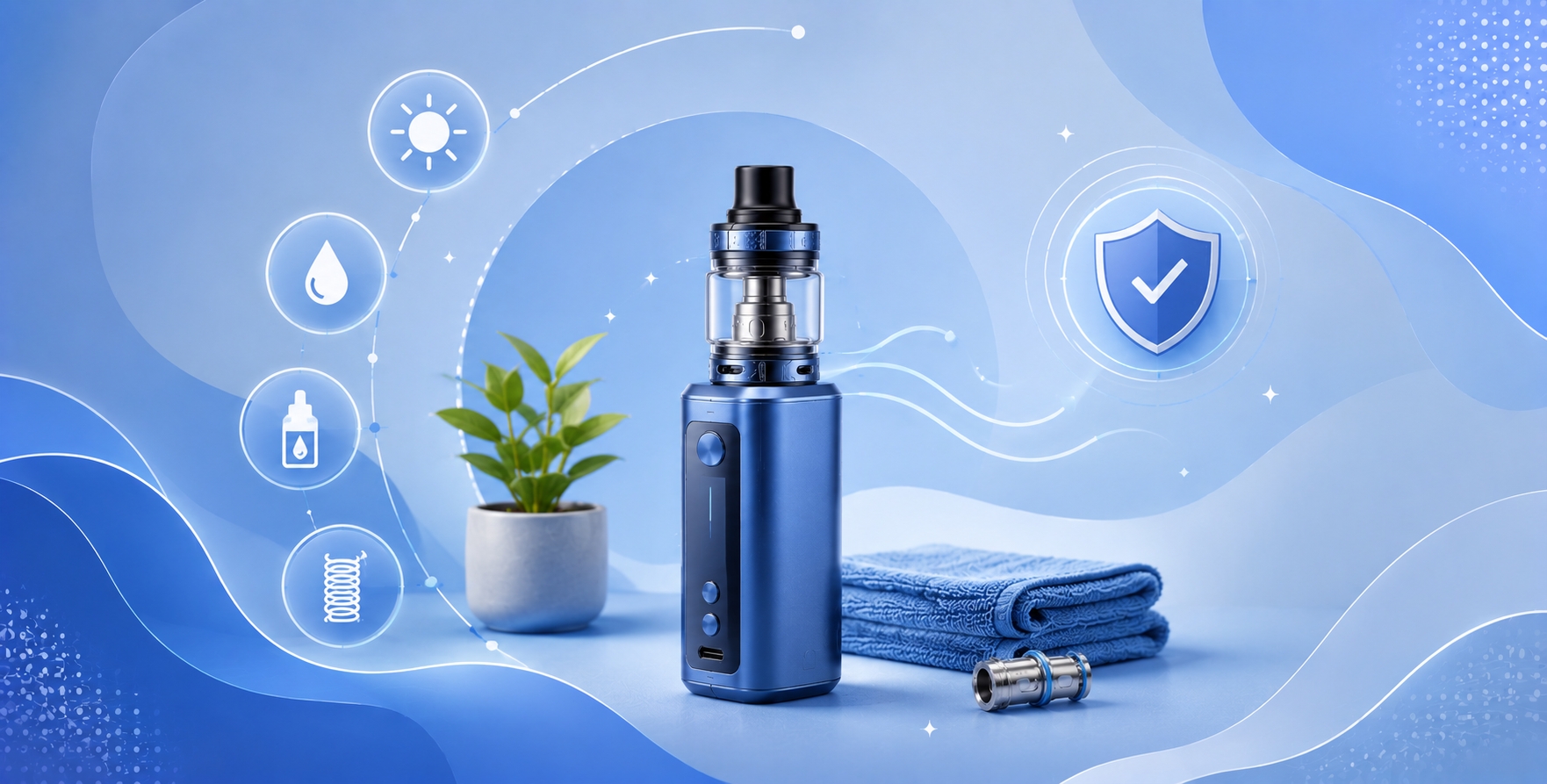
An unusually hot vaping device should not be ignored. Some warmth during normal use can occur, particularly around the coil, but excessive or persistent heat can indicate a problem with the coil, airflow, battery, charging system, power settings, or internal electronics. Stop using a device if it becomes excessively hot, swollen, damaged, or otherwise behaves abnormally.
An overheating vape is more than an inconvenience. Excessive heat can affect flavor, damage components, and, when a lithium-ion battery is involved, potentially become a safety concern.
The good news is that many overheating problems can be traced to identifiable causes, including frequent back-to-back use, restricted airflow, incorrect power settings, charging problems, or battery damage. Understanding where the heat is coming from can help you decide whether the device simply needs time to cool or should be taken out of use.
What Causes Vaping Devices to Overheat?
A vape can become warm during normal operation because the coil intentionally produces heat to vaporize e-liquid. Excessive or persistent heat, however, can indicate that something isn't operating as intended.
Chain Vaping
Taking repeated puffs with little time between them can keep the coil hot instead of allowing it to cool between draws. Over time, that heat can spread from the coil and tank or pod into the surrounding device body.
Allowing more time between puffs can help the coil cool and may also reduce the likelihood of overheating the surrounding components.
Restricted Airflow
Airflow affects both the draw and how heat moves around the coil. Blocked air inlets, residue buildup, or an airflow setting that is too restrictive for the current setup may contribute to excessive heat around the coil area.
Regular device maintenance can help keep airflow passages, connections, and other accessible components free from buildup.
Power Settings and Coil Resistance
On adjustable devices, wattage should remain within the range recommended for the installed coil. Running a coil above its supported range can create excessive heat and may shorten coil life.
Resistance also affects electrical demand, particularly in advanced setups. Understanding Ohm's Law provides useful context for how resistance, voltage, current, and wattage interact.
Battery or Charging Problems
Heat coming primarily from the battery compartment rather than the coil area deserves particular attention. A damaged battery, charging problem, short circuit, or internal device fault can create abnormal heat.
The U.S. Food and Drug Administration (FDA) advises users to protect vape batteries from damage and extreme temperatures and to follow manufacturer instructions for charging and battery use.
Proper battery safety becomes especially important if unexplained heat appears around the battery compartment or while the device is charging.
Signs Your Vape May Be Overheating
A vape becoming slightly warm near the coil during use isn't automatically a sign of failure. What matters is whether the heat becomes excessive, persists, or appears alongside other unusual behavior.
- The device becomes unusually or uncomfortably hot.
- Heat continues to build instead of decreasing between puffs.
- You notice an unusual burning, chemical, or plastic-like odor.
- The battery compartment becomes noticeably hot.
- The device behaves inconsistently or activates unexpectedly.
- The battery appears swollen, leaking, discolored, or physically damaged.
- You hear unusual noises from the battery or device.
Excessive heat combined with unusual smells, physical changes, charging problems, or inconsistent operation can be among the warning signs that a device requires closer inspection or should no longer be used.
Battery warning: The U.S. Fire Administration (USFA) recommends stopping use of lithium-ion batteries if you notice excessive heat, changes in shape or color, leaking, unusual odors, or odd noises.
How to Prevent Your Vape From Overheating
Give the Device Time to Cool
Repeated draws can keep the coil hot. If the tank, pod, or device body is becoming progressively warmer, pause your session and allow it to return toward a normal temperature before using it again.
Keep Airflow Clear
Check that air inlets aren't blocked by debris, residue, your hand, or an incorrectly positioned component. If the device has adjustable airflow, use settings appropriate for the installed coil and your preferred draw.
Stay Within the Coil's Recommended Wattage
If your device has adjustable wattage, check the operating range specified for the installed coil. Running substantially above the manufacturer's recommended range can produce more heat than the coil is designed to handle.
Correct coil selection also matters because coil resistance and supported power ranges vary between devices and coil families.
Keep the Device Clean
Residue, condensation, and debris can interfere with airflow or electrical connections. Follow the manufacturer's cleaning instructions and regularly inspect accessible airflow openings, contacts, the tank or pod connection, and charging port.
Charge According to Manufacturer Instructions
Use the charging method specified for your device rather than assuming that any cable or adapter with a compatible connector is suitable.
The FDA recommends charging vaping devices on a clean, flat surface away from materials that can easily catch fire and where the device can be clearly seen. The U.S. Fire Administration also advises against leaving e-cigarettes charging overnight.
Avoid Extreme Temperatures
Environmental heat can add to the heat already generated during normal operation. Avoid leaving vaping devices or batteries in direct sunlight, hot vehicles, or other environments exposed to extreme temperatures.
FDA battery guidance specifically recommends protecting vape devices from extreme temperatures, including direct sunlight, hot vehicles, and freezing conditions.
What to Do If Your Vape Overheats
If your device becomes unusually hot during normal use, stop using it rather than continuing to vape through the problem.
- Stop using the device. Turn it off if the device can be safely handled and has a power control.
- Allow it to cool. Keep it away from combustible materials and don't attempt to rapidly cool a lithium-ion battery using water, a refrigerator, or a freezer.
- Check the airflow. Once the device is cool and safe to inspect, look for blocked air inlets or obvious buildup.
- Check the coil and wattage. For adjustable devices, confirm that the installed coil and power setting are within the manufacturer's specifications.
- Inspect removable batteries. Look for damaged wraps, dents, swelling, leaking, discoloration, or other visible abnormalities.
- Stop using it if the problem returns. Persistent unexplained overheating may indicate a battery, electronics, connection, or other internal problem that requires manufacturer or qualified technical support.
If a lithium-ion battery is actively smoking, burning, rapidly swelling, or creating an immediate fire hazard, move away from the area and contact emergency services rather than attempting to handle the failing battery yourself.
Know When to Replace Your Coil
Coils don't last indefinitely. Reduced flavor, burnt taste, poor vapor production, leaking, or visible buildup can indicate that a coil is approaching the end of its useful life.
Following appropriate coil replacement practices can help maintain consistent performance and prevent worn components from being mistaken for battery or device problems.
Choose a Device That Fits Your Usage
Different devices manage power and heat differently. Compact pod systems, regulated mods, and other vaping devices vary in battery capacity, airflow, coil resistance, supported wattage, and built-in protections.
Instead of assuming that one device type will always run cooler than another, choose a setup designed for your intended usage and operate it within the manufacturer's specifications.
Take Battery Condition Seriously
If heat appears to originate from the battery rather than the coil, stop using the device until the cause is understood. Do not continue using a removable battery with a torn wrap, dented casing, swelling, leaking, unusual discoloration, or other visible damage.
Battery care includes proper charging, storage, inspection, and disposal. These practices are particularly important for devices using removable lithium-ion cells.
Vape Smarter, Stay Safer
Preventing overheating starts with identifying where heat is coming from. Give the coil time to cool between repeated draws, keep airflow clear, stay within recommended power settings, charge according to manufacturer instructions, and pay attention to unusual heat around the battery.
If excessive heat continues after basic troubleshooting, don't repeatedly test the device to see whether the problem disappears. Stop using it and consult the manufacturer or appropriate technical support, particularly when battery damage or an internal electrical problem may be involved.
Official Sources & Further Reading
- FDA — Tips to Help Avoid Vape Battery Fires or Explosions
- U.S. Fire Administration — E-Cigarette Fire Safety
- U.S. Fire Administration — Battery Fire Safety
Last reviewed: September 2026. Normal operating temperature varies by device, coil, and power setting. Follow the manufacturer's specifications and stop using a device or battery that develops excessive heat, swelling, leaking, physical damage, unusual odors, or other abnormal behavior.